








Starting a small home garden can be a rewarding and relaxing hobby. Whether you have a spacious backyard or just a small balcony, growing your own plants adds beauty to your space and offers fresh herbs, vegetables, or flowers right at your fingertips. If you’re new to gardening, it may feel overwhelming at first, but with the right approach, you can create a thriving mini garden that fits your lifestyle.
In this post, we’ll explore helpful tips for beginning a small home garden and share essential plant care techniques to keep your greens healthy and happy.
Choosing the Right Space for Your Garden
Before planting anything, consider the space you have available. Even a window sill or a small patio can become a productive gardening spot.
– Assess sunlight: Most plants need at least 4-6 hours of direct sunlight each day. Observe where the sun shines the longest in your outdoor or indoor spaces.
– Consider accessibility: Choose a location that’s easy to reach so you can water and tend to plants regularly.
– Check the environment: Protect your garden from strong winds or heavy rains by selecting a sheltered spot if possible.
Selecting Suitable Plants
When just starting out, it’s best to pick plants that are easy to grow and suited for your local climate.
– Herbs: Basil, mint, parsley, and chives usually grow well in small containers and indoors.
– Vegetables: Lettuce, tomatoes, peppers, and radishes are popular beginner-friendly veggies.
– Flowers: Marigolds, pansies, and nasturtiums add color and can deter pests naturally.
Consider your available space, light, and the time you can dedicate to care when choosing plants.
Preparing Your Garden Containers and Soil
If you don’t have garden beds, containers are a great alternative.
– Choose containers with drainage holes to prevent water from pooling and causing root rot.
– Use quality potting soil rather than garden dirt, as it drains better and contains vital nutrients.
– Add compost or organic fertilizer to enrich the soil and promote healthy plant growth.
Planting Your Garden
Follow seed packet instructions or plant labels for proper planting depth and spacing. Planting too close can cause overcrowding, which limits airflow and increases disease risk.
– Gently loosen roots if using seedlings.
– Water the soil lightly after planting to help plants settle in.
– Label your plants if you have several varieties to keep track.
Watering Tips for Healthy Plants
Watering is essential but often tricky for beginners.
– Check soil moisture by inserting your finger about an inch deep; water if it feels dry.
– Water early in the day to reduce evaporation and allow plants to dry before night, preventing fungal diseases.
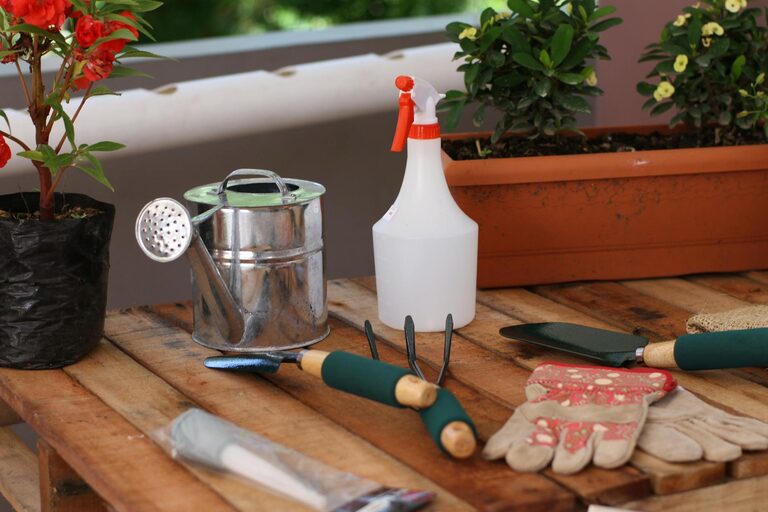
– Use a watering can or gentle spray to avoid disturbing soil or damaging delicate plants.
– Avoid overwatering, which can suffocate roots and promote pests.
Providing Proper Light and Temperature
Most garden plants thrive in temperatures between 60°F and 75°F (15°C to 24°C) and require ample sunlight.
– Rotate containers every few days to ensure even light distribution.
– For indoor plants with low natural light, consider supplemental grow lights.
– Protect plants from extreme heat or cold using shade cloths or moving pots indoors if needed.
Regular Maintenance and Plant Care
Consistent attention helps your plants flourish.
– Prune: Remove dead or yellowing leaves to encourage growth and prevent disease.
– Fertilize: Feed plants with balanced fertilizers every 3-4 weeks during growing season.
– Check for pests: Inspect leaves regularly for signs of bugs or damage; treat with natural remedies like neem oil if necessary.
– Support tall plants: Use stakes or cages for tomatoes and similar plants to keep them upright.
Harvesting and Enjoying Your Garden
When your plants mature, harvesting can be very satisfying.
– Pick herbs and vegetables when they reach optimal size—not too small or overripe.
– Regular harvesting encourages plants to produce more.
– Enjoy fresh produce in meals or share flowers with friends and family.
Troubleshooting Common Issues
Gardening involves trial and error. Some common challenges include:
– Wilting: Often caused by underwatering or root problems.
– Yellow leaves: May indicate overwatering, nutrient deficiency, or pests.
– Slow growth: Could be due to insufficient light or poor soil quality.
Observe your plants closely and adjust care as needed. There are many online resources and local garden centers if you need guidance.
—
Starting a small home garden is both fun and fulfilling. By choosing the right plants, providing proper care, and nurturing your green space, you’ll enjoy the beauty and benefits of gardening for years to come. Remember, patience and observation are key—your plants will thrive with your consistent attention and care. Happy gardening!