









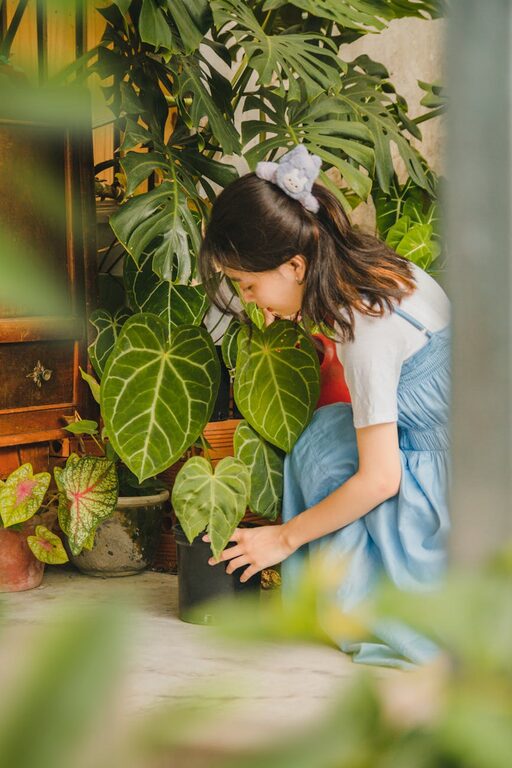
Creating a beautiful home garden doesn’t have to mean spending hours every week on upkeep. With thoughtful planning and smart plant choices, you can enjoy a thriving outdoor space that adds charm to your home without draining your time and energy. Whether you’re a beginner or someone looking to simplify your garden routine, these tips will help you build a low-maintenance garden that flourishes year-round.
1. Plan Your Garden Thoughtfully
Before planting, take time to plan your garden layout. Consider your climate, soil type, sunlight exposure, and how much time you want to dedicate to gardening. Designing with these factors in mind reduces problems later and helps you create a space suited to your lifestyle.
– Assess sunlight: Observe how much sun different parts of your yard receive throughout the day. Some plants need full sun, while others thrive in shade.
– Test your soil: Understanding your soil’s texture and pH can guide plant selection and improve growth.
– Define garden zones: Group plants with similar watering and sunlight needs together to simplify care.
2. Choose Hardy, Low-Maintenance Plants
Selecting the right plants is key for a low-maintenance garden. Native plants and drought-tolerant varieties often require less water and attention. Perennials that come back each year reduce the need for replanting, while shrubs and ground covers can fill space and suppress weeds.
– Opt for native plants: They are adapted to local climate and soil, making them more resilient.
– Incorporate evergreens: These provide year-round structure and color.
– Use ground covers: Plants like creeping thyme or sedum reduce weeds and soil erosion.
– Select perennials over annuals: They return yearly, saving time and money.
3. Simplify with Mulch
Mulching is an easy way to cut down on garden maintenance. Applying a layer of mulch around plants helps retain moisture, inhibits weed growth, and improves soil quality.
– Choose organic mulches like bark, straw, or wood chips for soil benefits.
– Spread 2-3 inches of mulch, but keep it away from plant stems to avoid rot.
– Replenish mulch annually for the best results.
4. Implement Efficient Irrigation
Watering can be one of the most time-consuming gardening tasks. Installing a simple drip irrigation system or soaker hoses combined with a timer ensures your plants get consistent moisture without overwatering.
– Drip irrigation delivers water directly to the plant roots.
– Timers allow you to automate watering, saving time.
– Group plants with similar water needs to avoid waste.
5. Use Containers and Raised Beds
Container gardening and raised beds offer several benefits that reduce maintenance. They improve drainage, allow better control over soil quality, and limit weed problems.
– Choose containers with drainage holes to prevent root rot.
– Raised beds warm up faster in spring, extending your growing season.
– Easier access means less bending and strain during planting and harvesting.
6. Minimize Lawn Area
Lawns require regular mowing, watering, and fertilizing. Reducing lawn size and replacing it with low-maintenance ground covers, ornamental grasses, or hardscaping features can save time.
– Consider native meadow grasses or clover as alternatives.
– Use pathways, patios, and decorative stones to create usable outdoor spaces.
– Small, well-defined lawn areas are easier to manage.
7. Incorporate Hardscape Elements
Adding non-living features like rocks, pavers, benches, or garden sculptures can enhance beauty while lowering upkeep.
– Choose materials that complement your home and garden style.
– Hardscape reduces planting space, thus less maintenance.
– Paths and patios prevent soil compaction and mud.
8. Regular but Simple Maintenance Routines
While the goal is low maintenance, some regular care is still needed. Keeping up with simple tasks prevents bigger problems.
– Remove weeds promptly before they spread.
– Prune dead or diseased branches to promote healthy growth.
– Monitor for pests and treat early if necessary.
9. Use Organic Soil Amendments
Healthy soil creates healthy plants that resist pests and diseases better. Incorporate compost or other organic matter to enrich your soil naturally.
– Compost improves soil structure and provides nutrients.
– Mulching and using organic amendments reduce reliance on chemical fertilizers.
10. Enjoy Your Garden
Finally, remember that your garden is a place for enjoyment. Choose plants and features that you find appealing and relaxing. A well-designed low-maintenance garden allows you to spend more time savoring the beauty of your outdoor space and less time working in it.
—
By following these tips, you can create a beautiful home garden that fits your lifestyle without demanding too much of your time. Thoughtful planning, smart plant selection, and simple care routines help your garden thrive year after year with minimal effort. Start small, be patient, and watch your outdoor space transform into a peaceful and attractive retreat. Happy gardening!