








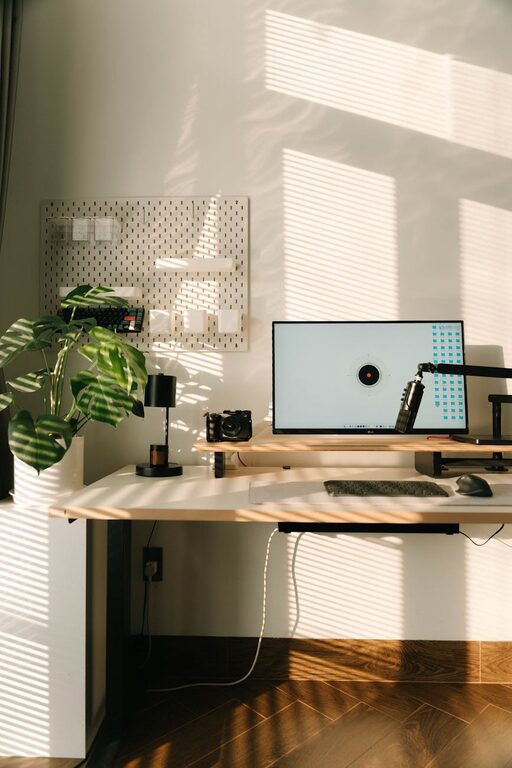
Creating a relaxing home workspace is essential for anyone who works from home or spends considerable time on projects and studying. A well-designed workspace not only helps you stay productive but can also reduce stress and make your workday more enjoyable. Whether you have a dedicated room or a small corner, these tips will guide you in setting up a comfortable, clutter-free, and peaceful environment.
1. Choose the Right Location
Find a Quiet Space
Select a spot in your home that experiences minimal distractions and noise. This can be a spare room, a quiet corner, or even an area near a window where you can enjoy natural light and a view.
Consider Natural Light
Natural light can improve your mood and increase focus. Position your desk near a window if possible, but avoid glare on your computer screen by using blinds or curtains.
2. Invest in Comfortable Furniture
Ergonomic Chair and Desk
Comfort is key in a workspace. An ergonomic chair that supports your lower back will prevent fatigue and discomfort. The desk should be at a height that allows your arms to rest comfortably, minimizing strain.
Adjustable Setup
Consider a sit-stand desk or using accessories like a keyboard tray and monitor stands to customize your setup. Being able to change positions throughout the day helps reduce stiffness and keeps you energized.
3. Keep the Space Organized and Clutter-Free
Declutter Regularly
A tidy workspace fosters clear thinking. Keep only essential items on your desk and store the rest away in drawers or shelves.
Use Storage Solutions
Use organizers, trays, and boxes to keep papers, stationery, and cables neat and within reach. Labeling containers can save time when searching for supplies.
4. Personalize to Create a Calming Atmosphere
Incorporate Plants
Adding greenery can improve air quality and create a soothing visual element. Low-maintenance plants like succulents or snake plants are ideal for workspaces.
Choose Calming Colors
Soft, neutral tones or pastel colors can help reduce stress. If repainting isn’t an option, add calming artwork or accessories in these shades.
Add Soft Lighting
Aside from natural light, including a desk lamp with adjustable brightness helps prevent eye strain and creates a warm, inviting ambiance in the evening.
5. Minimize Distractions
Manage Noise
If you can’t find a quiet location, consider noise-cancelling headphones or white noise machines. Even soft instrumental music can help some people focus better.
Set Boundaries
Communicate your working hours to family or housemates and use visual cues (like a closed door or headphones) to signal when you shouldn’t be disturbed.
6. Incorporate Break-Friendly Features
Create a Relaxation Spot
If space allows, set up a small area nearby with a comfortable chair or cushion where you can take short breaks to stretch or meditate.
Keep Hydrated and Nourished
Keep a water bottle and healthy snacks within reach, helping you maintain energy and avoid unnecessary trips away from your workspace.
7. Optimize Technology Setup
Proper Monitor Placement
Keep your monitor at eye level and about an arm’s length away to prevent neck strain and eye fatigue.
Cable Management
Tidy cables with clips or sleeves to avoid tangles, which can be distracting and make cleaning harder.
Reliable Internet Connection
Ensure your workspace has a strong internet connection to avoid interruptions during video calls or online tasks.
8. Maintain Good Air Quality
Ventilation
If possible, open a window regularly to bring in fresh air. Good ventilation helps keep you alert and healthy.
Avoid Strong Scents
While some people find essential oils or candles relaxing, strong scents can be distracting or irritating. Use scented items sparingly and choose mild fragrances.
—
Final Thoughts
Creating a relaxing home workspace doesn’t require a large budget or a dedicated room. Thoughtful choices about location, furniture, organization, and ambiance can make a big difference. By prioritizing comfort and minimizing distractions, you’ll foster a space where focus and creativity come naturally. Remember, your workspace should serve your needs and make work a more pleasant experience every day.