









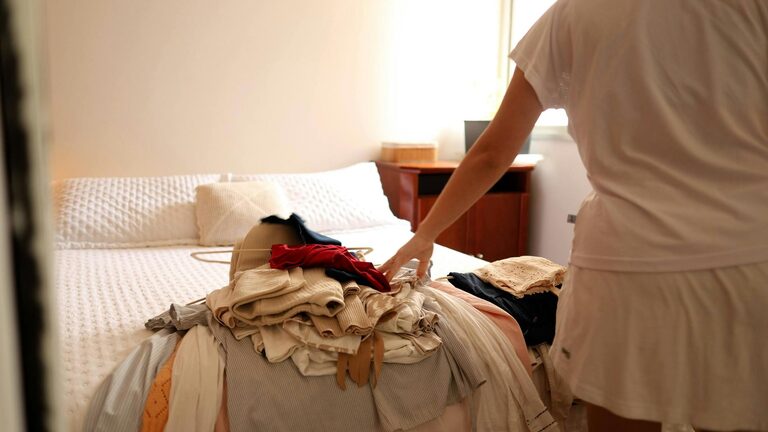
Keeping your home organized and clutter-free can greatly improve your daily life by reducing stress and making spaces more functional. However, tackling clutter can sometimes feel overwhelming. The key is to approach organization step-by-step with practical strategies that fit your lifestyle. In this post, we’ll explore effective tips for improving home organization and decluttering spaces efficiently.
Why Organize and Declutter?
Before diving into tips, it helps to understand the benefits of an organized home:
– Reduced stress: A tidy environment promotes relaxation and clarity.
– Better use of space: Organization creates more room for activities.
– Increased productivity: Less time searching for items means more time for what matters.
– Easier cleaning: Clear spaces are simpler to maintain.
– Improved safety: Decluttering reduces trip hazards and fire risks.
If you keep these benefits in mind, it becomes easier to stay motivated.
Step 1: Plan Your Approach
Organization is more manageable when you break it down into tasks.
Choose a Starting Point
Decide which area to tackle first. Common places include:
– Kitchen
– Closet
– Living room
– Garage or storage areas
– Home office
Starting with smaller, more visible areas can provide quick wins that boost motivation.
Set Realistic Goals
Try organizing for just 15–30 minutes each day or focus on one drawer or shelf at a time. Avoid aiming to complete large projects in one go, which can lead to burnout.
Step 2: Declutter Wisely
Decluttering is a core part of organizing — it involves deciding what to keep and what to let go.
Use the “Keep, Donate, Toss” Method
Sort items into three categories:
– Keep: Items you use regularly or truly value.
– Donate: Items in good condition but no longer needed.
– Toss: Broken or unusable items.
Ask Yourself Questions
To decide if something stays, consider:
– Have I used this in the past 6–12 months?
– Does this item serve a purpose or bring joy?
– Do I have duplicates of this?
– Would I buy this again?
Handle Sentimental Items Separately
Set aside sentimental objects and deal with those after other clutter is cleared. Consider storing memories in digital formats or creating memory boxes.
Step 3: Use Smart Storage Solutions
After decluttering, organization depends on effective storage.
Invest in Storage Containers
Clear bins, baskets, and drawer dividers help keep items grouped and visible. Label containers to find things quickly.
Maximize Vertical Space
Use wall shelves, hooks, or pegboards to free up floor and counter space without sacrificing storage.
Make Use of Unusual Spaces
Look inside doors, under beds, or above cabinets for hidden storage opportunities.
Group Similar Items Together
Keep related things in one place — for example, all craft supplies in one bin, or all baking items in one cupboard.
Step 4: Maintain Your Organized Home
Organization is an ongoing process, not a one-time fix.
Create Daily Habits
Simple habits like putting things away immediately and spending a few minutes tidying at the end of each day can prevent clutter buildup.
Regularly Review Your Belongings
Schedule seasonal decluttering sessions to reassess what you own and remove items you no longer need.
Encourage Household Participation
If you live with family or roommates, involve everyone in organizing routines and decisions.
Additional Tips for Specific Spaces
Kitchen
– Keep countertops clear by storing appliances you use less often.
– Use drawer organizers for utensils.
– Store frequently used items within easy reach.
Closet
– Sort clothes by type or season.
– Consider slim, matching hangers for a uniform look and more room.
– Donate clothing that no longer fits or hasn’t been worn in over a year.
Living Room
– Use multifunctional furniture such as ottomans with storage inside.
– Keep surfaces neat by limiting decorative items.
– Use baskets or bins for toys or magazines.
Final Thoughts
Improving home organization and decluttering is about making your environment work better for you. By planning carefully, letting go of unnecessary items, using smart storage, and maintaining simple habits, you can create a calm, tidy space that supports a more relaxed and efficient lifestyle. Remember, progress is better than perfection, so start small and build momentum over time. Your home — and your mind — will thank you.